Loading article…

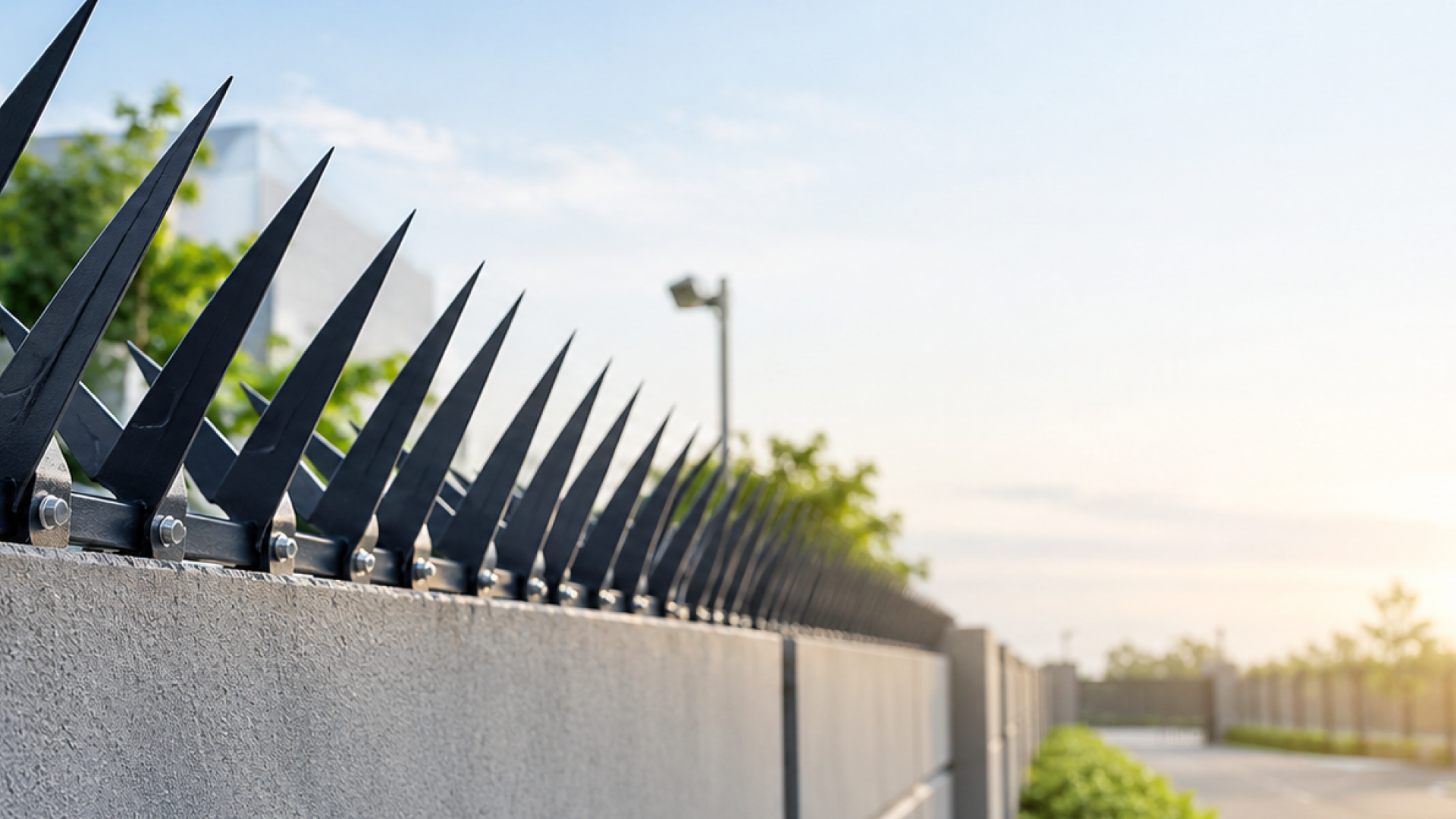
A fence is a good start. But a determined person can still climb over a plain fence without much difficulty.
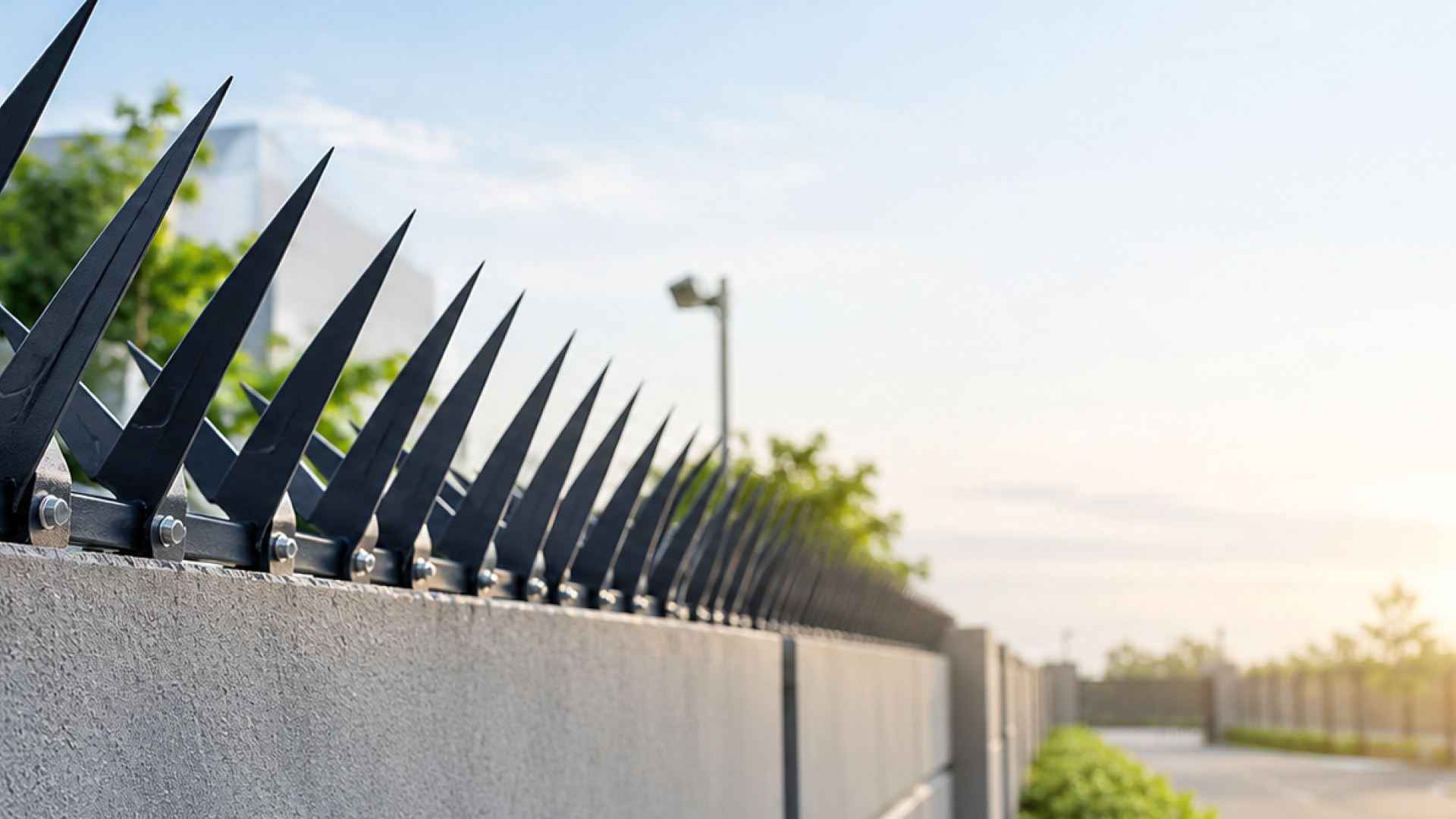
A fence is a good start. But a determined person can still climb over a plain fence without much difficulty.
A fence is a good start. But a determined person can still climb over a plain fence without much difficulty.
This is where anti climb fence spikes come in. They will be placed on the top of your fence or wall and can make climbing difficult, uncomfortable or too dangerous. They can also discourage possible intruders.
However, not all the spikes are equal. Some of them are light plastic, some heavy steel, and some spin when touched. The type you choose will be determined by your property, budget and required security.
This guide describes the types of teams and when they are best applied.
Anti climb spikes are not so much traps as deterrents.
Light, usually inexpensive, and suitable for homes, plastic spikes.
For appropriate uses, the steel and stainless steel spikes provide a secure perimeter defense.
Spikes that rotate make fences difficult to grab onto and climb up.
Check local laws and add warning signs at all times.
Know what type of fence will withstand a given spike type, height, and level of risk.
Each type of spike will have its own strong points. Keep reading to discover the one that might be right for you
These are a suitable option for homes. They're made of durable, weatherproof plastic and are typically fastened to the top of a fence or wall.
Why People Like Them:
Light and easy to install
Do not rust
Low cost
Less harsh in look, so they suit family neighborhoods
Keep in Mind:
They are a strong deterrent but not the toughest option. A determined intruder with tools could damage them.
The spikes are made from galvanized steel, which is treated with zinc to prevent corrosion. They're sharp, firm and durable.
Best for:
Properties that need stronger protection without paying for premium materials. They can also be part of an anti climb security fence system for commercial and industrial boundaries.
Why They Work:
The metal is not very flexible, and the layer will prevent rain and humidity. They are a good compromise between plastic and stainless steel.
You can also use stainless steel, which is a corrosion resistant material. This is dependent on grade and environmental conditions.
Best for:
Coastal areas are appropriate provided that the proper grade (316 stainless steel) is used. Great for those looking for a long lasting and low maintenance answer.
Keep in Mind:
They cost more at the start. However, they can save on maintenance or replacement over the years because of their corrosion resistant properties.
When someone touches these spikes, they spin attached to a rod. The spikes are in constant motion and the climber can't find any steady holds.
Why They Stand Out:
Create an unstable gripping surface
Good for long stretches of fencing
Work well on narrow walls or fence tops
They are used in commercial and industrial settings where a basic spike strip may not be enough. They can also complement a high security anti climb fence where additional perimeter protection is required.
You have probably seen these on gates, school fences, and public buildings. Spear-top spikes are pointed tips built right into the fence panel. Palisade fencing has vertical steel pales with pointed tops.
Why They Work:
Provide a sturdy physical barrier
Look tidy and professional
Add height and security in one design
Because they are part of the fence itself, they are very stable. The downside is that you usually need to plan for them when you buy the fence. For larger perimeter projects, you can also consult a 358 anti climb fence manufacturer about alternative high-security fencing systems.
These are narrow strips with rows of spikes. They are made for brick, stone, or concrete walls, as well as suitable fence tops.
Best for:
Boundary walls around homes, shops, and compounds. They can be easily aligned against a wall and can be plastic or metal. Some models are flexible, and others need different fittings to fit corners.
For properties with specific boundary requirements, a custom anti climb fence solution may also be worth considering.
The right spike depends on the place. Here is where each type works best.

The plastic spikes or wall-top strips are good choices for most homes. They prevent unauthorized access and casual climbers.
Tip:
Place them in areas where climbing is expected, e.g., back fences, street or alley side low walls, and side gates. You can also consider suitable gates anti climb fence combinations to improve protection around entry points
There are numerous shops, offices and factories that have valuable property or equipment that can be stolen. Steel spikes, rotating spikes or palisade fencing offer better protection in this situation. They can also be installed alongside a chain link fence to strengthen perimeter security.
Choose materials and designs that are able to resist weather, wear and tampering. When comparing options, an experienced anti climb fence supplier like Mahraj Fencing can help assess the right materials, fence design and fittings for your property's security requirements.
After-hours break-ins and vandalism are common occurrences at schools. These can be protected by a suitable design of perimeter fencing and by using non-injurious measures to deter climbing. In a crowded public place, safety is a primary concern.
These are some of the spots where you will find tools, materials and machinery and they are common targets.
Rotating spikes and galvanized steel spikes work well here. They are strong options, but temporary fencing requires compatible security products and suitable fixings.
Different buildings, such as power, water, and government, require different levels of security. It may include stainless steel spikes, palisade fencing and multiple layers of security.
Spikes are typically used in combination with cameras, lights and alarms in these situations.
A simple question to begin with is what am I protecting and from whom?
Here is an easy guide:
Home with Low Risk: Plastic spikes or wall-top strips
Home or Shop with Medium Risk: Galvanized steel spikes
Business with High Value Goods: Rotating spikes or suitably constructed steel spike systems
Public or High Risk Site: Palisade or spear-top fencing, plus other security measures
Consider the appearance of the fence as well. The purpose of the spikes is to prevent damage to your property while still being welcoming, particularly in residential neighborhoods.
Doing a bit of homework before you purchase will save you money and future problems.
Check local laws on spike rules.
Ensure protection for nearby footpaths.
Use spike height and placement according to manufacturers and local safety regulations.
Add clear warning signs where required.
Make sure your fence is able to hold weighty spikes.
In humid or coastal areas, use rust resistant spikes.
Set up per manufacturer's instructions or as required, or professionally install.
Check spikes for damage, loose fixings and corrosion.
Worn out spikes can be more costly than low end spikes.
Consider the surrounding environment before installation. In areas with wildlife, compare wildlife repellents anti climb fence options to protect your property without harming animals.
Anti climb fence spikes can be an easy deterrent to make your premises difficult to access. Depending on your location, what you're protecting, and the level of security you desire, there are several excellent choices.
Plastic spikes suit many residential applications. Steel and turning spikes match up with enterprises and warehouses. Stainless steel is resistant to corrosion and palisade systems are an integrated security barrier. Whatever you decide, take local rules into consideration and set spikes safely for the benefit of others.
A good spike will not cure all of the security issues. However, with appropriate lighting, sturdy gates, and vigilance, it can effectively deter most visitors.
Their legality will depend on local regulations, their height of installation, positioning, and potential hazards to the public. Local laws may prohibit installation, please check the local laws.
Plastic spikes are the cheapest. Steel and stainless steel cost more. Price also depends on length and quality.
They last as long as the quality of material and weather exposure as well as installation and maintenance. With proper care, galvanized and stainless steel products should both be quite durable.
It depends on the material and manufacturer's recommendations. Apply paint designed for the spike material, like metal or appropriate plastic paint.
Start with a measurement of the fence top and mark the locations. Use the manufacturer's recommended clips or fixings and test for security.
A fence is a good start. But a determined person can still climb over a plain fence without much difficulty.
This is where anti climb fence spikes come in. They will be placed on the top of your fence or wall and can make climbing difficult, uncomfortable or too dangerous. They can also discourage possible intruders.
However, not all the spikes are equal. Some of them are light plastic, some heavy steel, and some spin when touched. The type you choose will be determined by your property, budget and required security.
This guide describes the types of teams and when they are best applied.
Anti climb spikes are not so much traps as deterrents.
Light, usually inexpensive, and suitable for homes, plastic spikes.
For appropriate uses, the steel and stainless steel spikes provide a secure perimeter defense.
Spikes that rotate make fences difficult to grab onto and climb up.
Check local laws and add warning signs at all times.
Know what type of fence will withstand a given spike type, height, and level of risk.
Each type of spike will have its own strong points. Keep reading to discover the one that might be right for you
These are a suitable option for homes. They're made of durable, weatherproof plastic and are typically fastened to the top of a fence or wall.
Why People Like Them:
Light and easy to install
Do not rust
Low cost
Less harsh in look, so they suit family neighborhoods
Keep in Mind:
They are a strong deterrent but not the toughest option. A determined intruder with tools could damage them.
The spikes are made from galvanized steel, which is treated with zinc to prevent corrosion. They're sharp, firm and durable.
Best for:
Properties that need stronger protection without paying for premium materials. They can also be part of an anti climb security fence system for commercial and industrial boundaries.
Why They Work:
The metal is not very flexible, and the layer will prevent rain and humidity. They are a good compromise between plastic and stainless steel.
You can also use stainless steel, which is a corrosion resistant material. This is dependent on grade and environmental conditions.
Best for:
Coastal areas are appropriate provided that the proper grade (316 stainless steel) is used. Great for those looking for a long lasting and low maintenance answer.
Keep in Mind:
They cost more at the start. However, they can save on maintenance or replacement over the years because of their corrosion resistant properties.
When someone touches these spikes, they spin attached to a rod. The spikes are in constant motion and the climber can't find any steady holds.
Why They Stand Out:
Create an unstable gripping surface
Good for long stretches of fencing
Work well on narrow walls or fence tops
They are used in commercial and industrial settings where a basic spike strip may not be enough. They can also complement a high security anti climb fence where additional perimeter protection is required.
You have probably seen these on gates, school fences, and public buildings. Spear-top spikes are pointed tips built right into the fence panel. Palisade fencing has vertical steel pales with pointed tops.
Why They Work:
Provide a sturdy physical barrier
Look tidy and professional
Add height and security in one design
Because they are part of the fence itself, they are very stable. The downside is that you usually need to plan for them when you buy the fence. For larger perimeter projects, you can also consult a 358 anti climb fence manufacturer about alternative high-security fencing systems.
These are narrow strips with rows of spikes. They are made for brick, stone, or concrete walls, as well as suitable fence tops.
Best for:
Boundary walls around homes, shops, and compounds. They can be easily aligned against a wall and can be plastic or metal. Some models are flexible, and others need different fittings to fit corners.
For properties with specific boundary requirements, a custom anti climb fence solution may also be worth considering.
The right spike depends on the place. Here is where each type works best.
The plastic spikes or wall-top strips are good choices for most homes. They prevent unauthorized access and casual climbers.
Tip:
Place them in areas where climbing is expected, e.g., back fences, street or alley side low walls, and side gates. You can also consider suitable gates anti climb fence combinations to improve protection around entry points
There are numerous shops, offices and factories that have valuable property or equipment that can be stolen. Steel spikes, rotating spikes or palisade fencing offer better protection in this situation. They can also be installed alongside a chain link fence to strengthen perimeter security.
Choose materials and designs that are able to resist weather, wear and tampering. When comparing options, an experienced anti climb fence supplier like Mahraj Fencing can help assess the right materials, fence design and fittings for your property's security requirements.
After-hours break-ins and vandalism are common occurrences at schools. These can be protected by a suitable design of perimeter fencing and by using non-injurious measures to deter climbing. In a crowded public place, safety is a primary concern.
These are some of the spots where you will find tools, materials and machinery and they are common targets.
Rotating spikes and galvanized steel spikes work well here. They are strong options, but temporary fencing requires compatible security products and suitable fixings.
Different buildings, such as power, water, and government, require different levels of security. It may include stainless steel spikes, palisade fencing and multiple layers of security.
Spikes are typically used in combination with cameras, lights and alarms in these situations.
A simple question to begin with is what am I protecting and from whom?
Here is an easy guide:
Home with Low Risk: Plastic spikes or wall-top strips
Home or Shop with Medium Risk: Galvanized steel spikes
Business with High Value Goods: Rotating spikes or suitably constructed steel spike systems
Public or High Risk Site: Palisade or spear-top fencing, plus other security measures
Consider the appearance of the fence as well. The purpose of the spikes is to prevent damage to your property while still being welcoming, particularly in residential neighborhoods.
Doing a bit of homework before you purchase will save you money and future problems.
Check local laws on spike rules.
Ensure protection for nearby footpaths.
Use spike height and placement according to manufacturers and local safety regulations.
Add clear warning signs where required.
Make sure your fence is able to hold weighty spikes.
In humid or coastal areas, use rust resistant spikes.
Set up per manufacturer's instructions or as required, or professionally install.
Check spikes for damage, loose fixings and corrosion.
Worn out spikes can be more costly than low end spikes.
Consider the surrounding environment before installation. In areas with wildlife, compare wildlife repellents anti climb fence options to protect your property without harming animals.
Anti climb fence spikes can be an easy deterrent to make your premises difficult to access. Depending on your location, what you're protecting, and the level of security you desire, there are several excellent choices.
Plastic spikes suit many residential applications. Steel and turning spikes match up with enterprises and warehouses. Stainless steel is resistant to corrosion and palisade systems are an integrated security barrier. Whatever you decide, take local rules into consideration and set spikes safely for the benefit of others.
A good spike will not cure all of the security issues. However, with appropriate lighting, sturdy gates, and vigilance, it can effectively deter most visitors.
Their legality will depend on local regulations, their height of installation, positioning, and potential hazards to the public. Local laws may prohibit installation, please check the local laws.
Plastic spikes are the cheapest. Steel and stainless steel cost more. Price also depends on length and quality.
They last as long as the quality of material and weather exposure as well as installation and maintenance. With proper care, galvanized and stainless steel products should both be quite durable.
It depends on the material and manufacturer's recommendations. Apply paint designed for the spike material, like metal or appropriate plastic paint.
Start with a measurement of the fence top and mark the locations. Use the manufacturer's recommended clips or fixings and test for security.