Loading article…

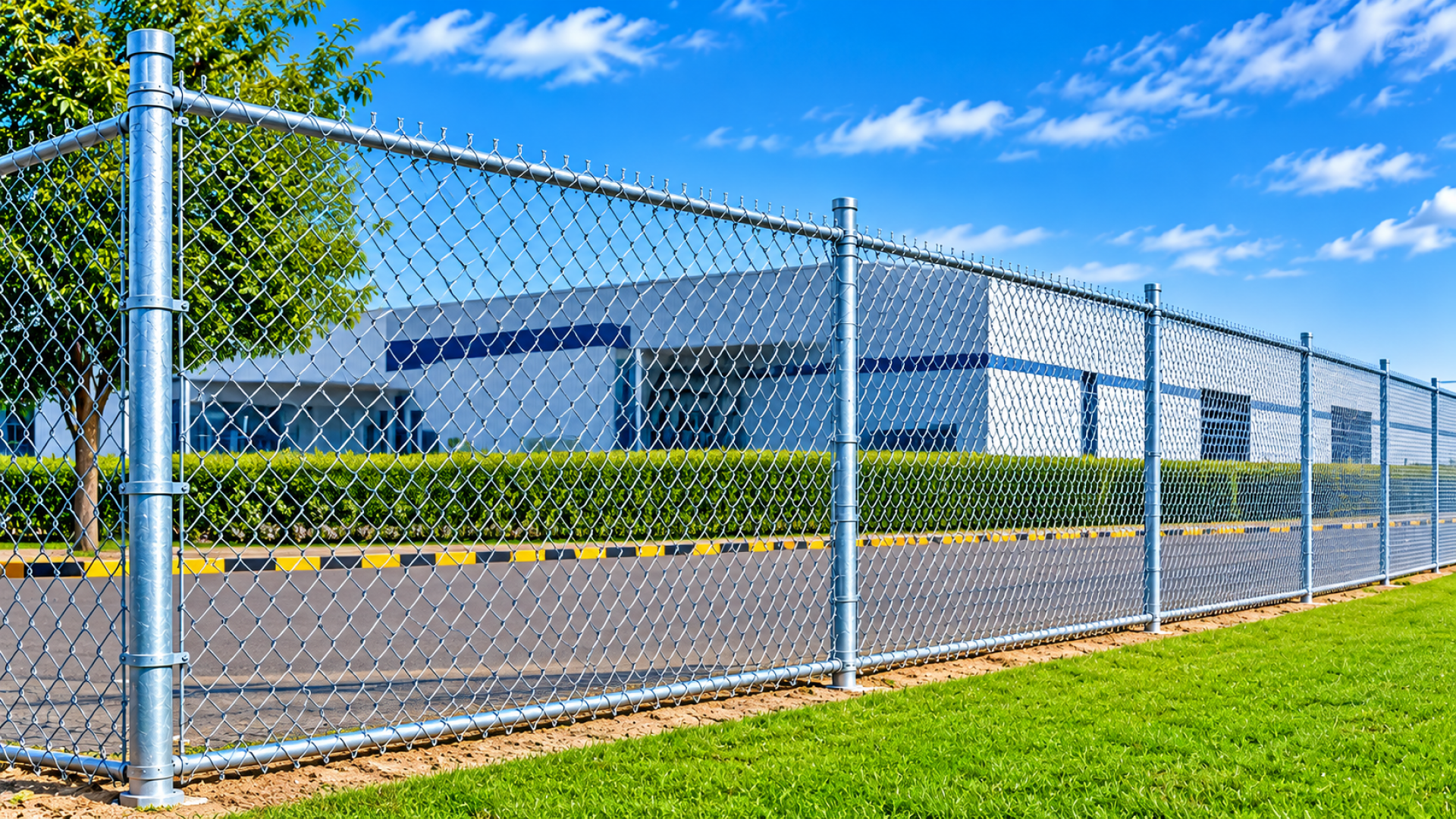
A chain link fence isn't something that people are likely to get excited about. But it is one of the most popular fences in the world and it's for a good reason. It guards a backyard, secures a factory and maintains a school playground safely with minimal expense.
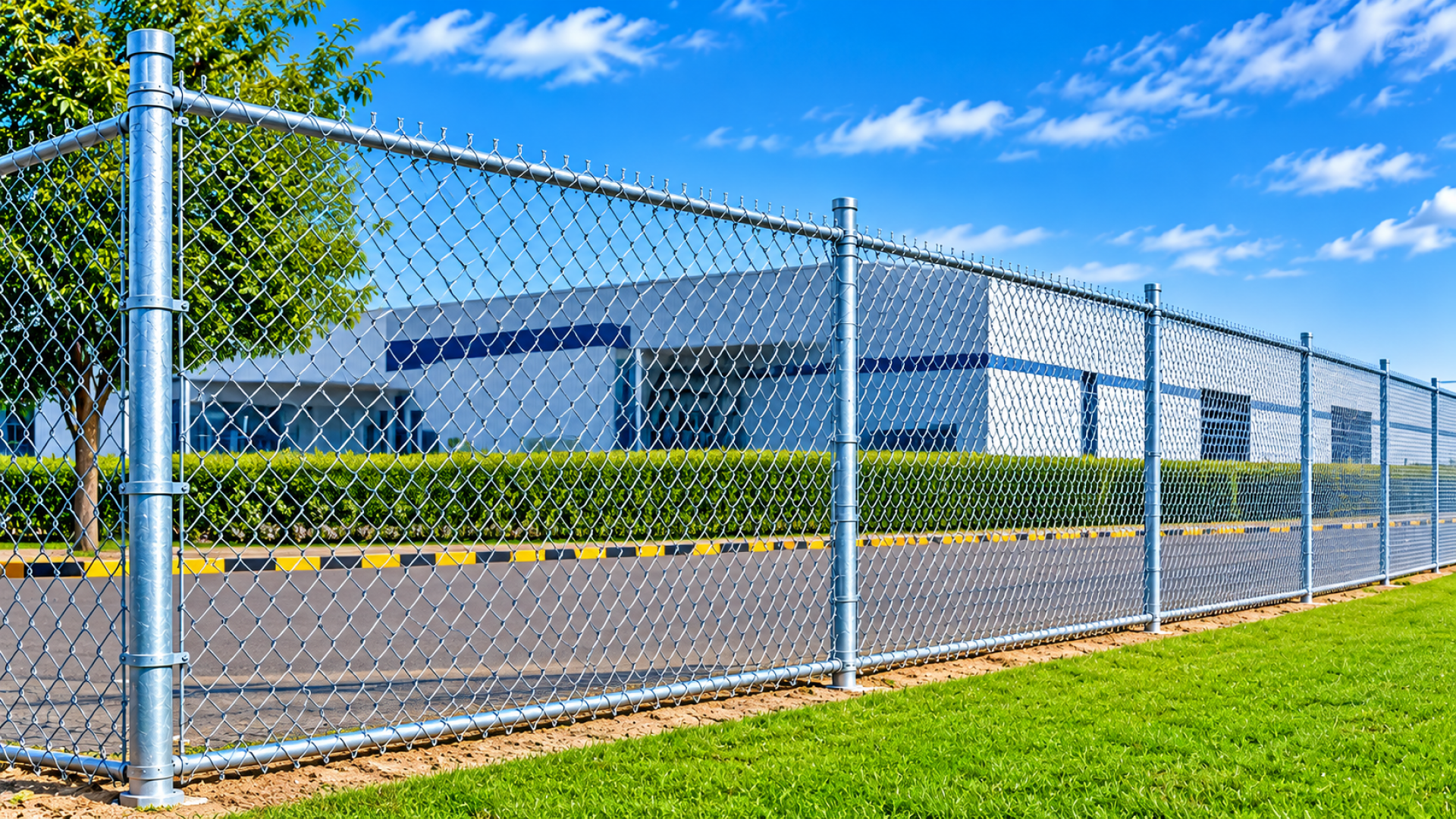
A chain link fence isn't something that people are likely to get excited about. But it is one of the most popular fences in the world and it's for a good reason. It guards a backyard, secures a factory and maintains a school playground safely with minimal expense.
Whether you are thinking of building one yourself or hiring a contractor, it would be beneficial for you to know how it works to save some money and trouble. In simple terms, this guide includes type, part, use, benefit, cost and installation.
A low maintenance and long life coating item that is cost effective.
Choose the coating to suit your conditions.
It is held straight with deep posts, bracing and tight mesh.
Always first verify local rules and property lines.
Obtain at least 3 written quotes prior to buying.
The chain link fence is constructed from a steel wire that is woven in a diamond design between metal posts. The interlocking wire makes one flexible sheet and if one section becomes damaged, the wire part can be unwound and fixed up.

The only real differences in the types of chain link fence are in the coating and wire strength. There are five main types you can find, which you can match up with your site and budget.
The standard silver grey fence, made with zinc coated wire to help prevent rust. It could have a shorter service life due to coastal salt air and other corrosive conditions.
Typically a black, brown, green or white vinyl surfacing on top of a galvanized wire base. This is neater, offers additional rust protection, and is more expensive.
A PVC chain link fence is also available in different colours, including a black chain link fence option.
Much more corrosion resistant than standard zinc coatings but is expensive. Depending on the environment, Grade 316 is frequently chosen for marine and chloride applications.
Self standing panels secured with clamps and weighted stands. Regularly available at building sites and events and could be hired for short periods of time.
Thicker wire, bigger posts, and in many cases, a barbed wire at the top. The lower the gauge number is, the thicker the wire will be.
Some applications in the house can be served by 11 or 11.5 gauge, and 9 gauge is used in residential, business and industrial uses. For heavier security applications, higher gauge wire, like 6 gauge may be needed.
These six parts do the work. Together, these chain link fence materials form a complete fencing system.
Posts
Top rail
Braces
Tension wire
Fittings
Link chain fencing is a great option for homes, commercial property and public areas. These are the places where you can find it most.
Backyards, gardens, dog runs and pool fences
Warehouses, parking lots, and yard areas for utilities
School grounds and playgrounds (where staff is able to see through the fence)
Tennis courts and sports fields, with tall fences to stop balls
Construction sites that need quick, movable fencing
Farms and orchards, small mesh for rabbits and rodents
Chain link fencing provides economic and functional coverage at low expense. Here are its main benefits.
The chain link fence is for the large area and a cost effective solution. The cost is based on height, wire size, coating type and installation.
A properly constructed fence can last for a long time. Its life span is depending on the quality of the coating, environmental situations, installation and maintenance.
No painting or sealing is necessary. An occasional wash and annual examination of the ties and fittings will generally suffice.
The barrier is made of woven steel. Thicker wire, correct height and security features will offer greater protection.
It's open and helps you keep an eye on kids, pets, work areas and more in yards and playgrounds.
The mesh is sold in rolls, so it's easy to install. It takes care to get it plumb and get the mesh tight, so many people will hire a professional.
A mesh fence is more open and wind resistant than a solid fence. Protective coating and proper post spacing help to resist local conditions and corrosion from salt air.
The only issue is that you can see through it, which isn't a privacy thing. That's where privacy slats or hedges come in.
Begin with a purpose. A different fence should be used in a pet area than in a factory yard.
Use 4 ft for front yards, 6 ft for backyards, and higher fences for sports or security.
Use PVC coating in humid or coastal regions.
Consider galvanized fencing for low corrosion and low cost.
Use the correct wire size, 9 gauge is appropriate for a range of applications, and thicker wire is more secure.
For general use, use 2 inch mesh and for tighter openings, use smaller mesh.
Check post wall thickness as well as diameter to prevent bending.
Tip: Do not just compare price, compare zinc coating class. Class 2 (2.0 oz/ft²) carries more zinc than Class 1 (1.2 oz/ft²).
Chain link fences are installed using a proper plan, spacing of posts, tensioning of the mesh and secure fittings. Here are the steps to a stable and refined fence.
Verify property lines, heights and permits. Before digging, look for underground pipes and wires. In DUBAI, check with Dubai Municipality, your community developer and DEWA.
Stake at the corners and at the gate location, and stretch the string tightly between the stakes. Space line posts should not exceed a maximum spacing of 10 ft.
Under normal conditions, terminal post holes may require a depth of 30 inches for a 6 foot fence. Use post size and installation requirements as a guide to base hole diameter.
Install terminal posts in the concrete, let it cure according to directions, and run the concrete slope away from the posts for drainage. Install line posts as per manufacturers' instructions.
Feed rail sections through the loop caps, connect them with sleeves and level them. Use brace rails and truss rods on terminal and corner posts to maintain tension in the fence.
Take the cloth out along the fence. Feed a tension bar through the end of the mesh and attach it to the terminal post with tension bands about 12 inches apart.
Tighten the mesh as necessary without overtightening it by using a fabric stretcher. Hold the other end securely and take out excess mesh by unraveling a wire strand.
Tie the fabric to line posts every 12–14 inches and tie to the top rail every 24 inches. Install bottom tension wire if required.
Secure the gate to the hinges and ensure it moves freely. Move the latch and provide small ground clearance. Ensure that the gate post is sturdy enough that the gate doesn't droop.
A suitable chain link fence door or gate should also match the fence's material and design.
For chain link fence Dubai projects, costs in Dubai and the UAE are based on height, wire gauge, wire coating, post size and installation.
Typically, an installed system will cost anything from AED 35 to 120+ per linear metre, with mesh only costing AED 12 to 45 per metre.
A 100 meter fence may cost approximately AED 3,500–12,000 or more, depending on its specifications. These are rough figures, so get three written quotes.
When comparing chain link fence manufacturers in UAE and chain link fence suppliers in UAE, check their material specifications, installation services and quotations.
The price goes up with:
Taller fences and thicker wire
UV stabilized PVC coating, which is worth considering in Dubai’s sun and coastal conditions
Concrete bases, gates, and barbed wire toppings
Chain link fences are affordable, durable and practical. It will last you many years if it is coated, has the proper wire gauge, and properly braced posts.
Invest time while planning, research local regulations and select appropriate materials for the climate, particularly for Dubai's coastal and hot weather conditions.
Avoid rush tensioning and always compare quotes in writing before hiring.
Typically range from 15 to 20 years. Some live 25 years or longer with proper care.
Usually 20 to 30 years. The coating helps to prevent corrosion of the steel.
PVC coated is usually the better pick for humid and coastal areas. While galvanized is good in more interior areas that are not as wet.
Yes, but make sure it is PVC coated. Rust can progress on regular galvanized fences more quickly when exposed to salt air.
Yes! You can install privacy slats, windscreen mesh or fabric screens.
Whether you are thinking of building one yourself or hiring a contractor, it would be beneficial for you to know how it works to save some money and trouble. In simple terms, this guide includes type, part, use, benefit, cost and installation.
A low maintenance and long life coating item that is cost effective.
Choose the coating to suit your conditions.
It is held straight with deep posts, bracing and tight mesh.
Always first verify local rules and property lines.
Obtain at least 3 written quotes prior to buying.
The chain link fence is constructed from a steel wire that is woven in a diamond design between metal posts. The interlocking wire makes one flexible sheet and if one section becomes damaged, the wire part can be unwound and fixed up.
The only real differences in the types of chain link fence are in the coating and wire strength. There are five main types you can find, which you can match up with your site and budget.
The standard silver grey fence, made with zinc coated wire to help prevent rust. It could have a shorter service life due to coastal salt air and other corrosive conditions.
Typically a black, brown, green or white vinyl surfacing on top of a galvanized wire base. This is neater, offers additional rust protection, and is more expensive.
A PVC chain link fence is also available in different colours, including a black chain link fence option.
Much more corrosion resistant than standard zinc coatings but is expensive. Depending on the environment, Grade 316 is frequently chosen for marine and chloride applications.
Self standing panels secured with clamps and weighted stands. Regularly available at building sites and events and could be hired for short periods of time.
Thicker wire, bigger posts, and in many cases, a barbed wire at the top. The lower the gauge number is, the thicker the wire will be.
Some applications in the house can be served by 11 or 11.5 gauge, and 9 gauge is used in residential, business and industrial uses. For heavier security applications, higher gauge wire, like 6 gauge may be needed.
These six parts do the work. Together, these chain link fence materials form a complete fencing system.
Posts
Top rail
Braces
Tension wire
Fittings
Link chain fencing is a great option for homes, commercial property and public areas. These are the places where you can find it most.
Backyards, gardens, dog runs and pool fences
Warehouses, parking lots, and yard areas for utilities
School grounds and playgrounds (where staff is able to see through the fence)
Tennis courts and sports fields, with tall fences to stop balls
Construction sites that need quick, movable fencing
Farms and orchards, small mesh for rabbits and rodents
Chain link fencing provides economic and functional coverage at low expense. Here are its main benefits.
The chain link fence is for the large area and a cost effective solution. The cost is based on height, wire size, coating type and installation.
A properly constructed fence can last for a long time. Its life span is depending on the quality of the coating, environmental situations, installation and maintenance.
No painting or sealing is necessary. An occasional wash and annual examination of the ties and fittings will generally suffice.
The barrier is made of woven steel. Thicker wire, correct height and security features will offer greater protection.
It's open and helps you keep an eye on kids, pets, work areas and more in yards and playgrounds.
The mesh is sold in rolls, so it's easy to install. It takes care to get it plumb and get the mesh tight, so many people will hire a professional.
A mesh fence is more open and wind resistant than a solid fence. Protective coating and proper post spacing help to resist local conditions and corrosion from salt air.
The only issue is that you can see through it, which isn't a privacy thing. That's where privacy slats or hedges come in.
Begin with a purpose. A different fence should be used in a pet area than in a factory yard.
Use 4 ft for front yards, 6 ft for backyards, and higher fences for sports or security.
Use PVC coating in humid or coastal regions.
Consider galvanized fencing for low corrosion and low cost.
Use the correct wire size, 9 gauge is appropriate for a range of applications, and thicker wire is more secure.
For general use, use 2 inch mesh and for tighter openings, use smaller mesh.
Check post wall thickness as well as diameter to prevent bending.
Tip: Do not just compare price, compare zinc coating class. Class 2 (2.0 oz/ft²) carries more zinc than Class 1 (1.2 oz/ft²).
Chain link fences are installed using a proper plan, spacing of posts, tensioning of the mesh and secure fittings. Here are the steps to a stable and refined fence.
Verify property lines, heights and permits. Before digging, look for underground pipes and wires. In DUBAI, check with Dubai Municipality, your community developer and DEWA.
Stake at the corners and at the gate location, and stretch the string tightly between the stakes. Space line posts should not exceed a maximum spacing of 10 ft.
Under normal conditions, terminal post holes may require a depth of 30 inches for a 6 foot fence. Use post size and installation requirements as a guide to base hole diameter.
Install terminal posts in the concrete, let it cure according to directions, and run the concrete slope away from the posts for drainage. Install line posts as per manufacturers' instructions.
Feed rail sections through the loop caps, connect them with sleeves and level them. Use brace rails and truss rods on terminal and corner posts to maintain tension in the fence.
Take the cloth out along the fence. Feed a tension bar through the end of the mesh and attach it to the terminal post with tension bands about 12 inches apart.
Tighten the mesh as necessary without overtightening it by using a fabric stretcher. Hold the other end securely and take out excess mesh by unraveling a wire strand.
Tie the fabric to line posts every 12–14 inches and tie to the top rail every 24 inches. Install bottom tension wire if required.
Secure the gate to the hinges and ensure it moves freely. Move the latch and provide small ground clearance. Ensure that the gate post is sturdy enough that the gate doesn't droop.
A suitable chain link fence door or gate should also match the fence's material and design.
For chain link fence Dubai projects, costs in Dubai and the UAE are based on height, wire gauge, wire coating, post size and installation.
Typically, an installed system will cost anything from AED 35 to 120+ per linear metre, with mesh only costing AED 12 to 45 per metre.
A 100 meter fence may cost approximately AED 3,500–12,000 or more, depending on its specifications. These are rough figures, so get three written quotes.
When comparing chain link fence manufacturers in UAE and chain link fence suppliers in UAE, check their material specifications, installation services and quotations.
The price goes up with:
Taller fences and thicker wire
UV stabilized PVC coating, which is worth considering in Dubai’s sun and coastal conditions
Concrete bases, gates, and barbed wire toppings
Chain link fences are affordable, durable and practical. It will last you many years if it is coated, has the proper wire gauge, and properly braced posts.
Invest time while planning, research local regulations and select appropriate materials for the climate, particularly for Dubai's coastal and hot weather conditions.
Avoid rush tensioning and always compare quotes in writing before hiring.
Typically range from 15 to 20 years. Some live 25 years or longer with proper care.
Usually 20 to 30 years. The coating helps to prevent corrosion of the steel.
PVC coated is usually the better pick for humid and coastal areas. While galvanized is good in more interior areas that are not as wet.
Yes, but make sure it is PVC coated. Rust can progress on regular galvanized fences more quickly when exposed to salt air.
Yes! You can install privacy slats, windscreen mesh or fabric screens.